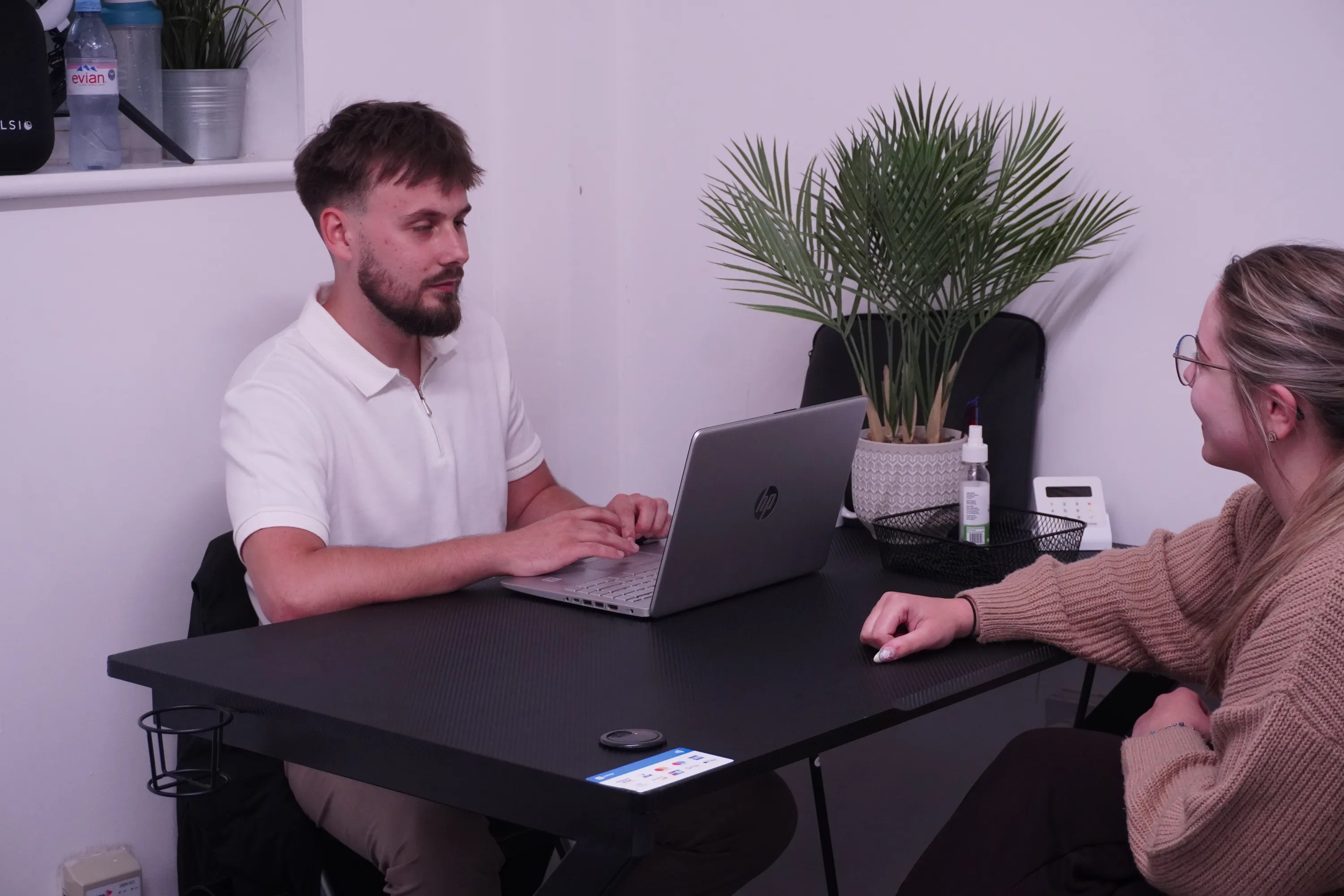
When people hear "sports massage," they tend to picture athletes — runners, rugby players, gym-goers preparing for or recovering from competition. That's a fair association, but it's only part of the story. Some of the most powerful uses of manual therapy don't happen in a sporting context at all. They happen alongside physiotherapy, after major surgery, and in the day-to-day care of older clients trying to stay mobile, independent and pain-free.
This article looks at three groups who consistently benefit from manual therapy as part of a broader care plan: people working with a physiotherapist, those recovering from joint replacement surgery, and elderly clients managing the physical realities of ageing.
1. Working Alongside Physiotherapy
Physiotherapy and sports massage are not in competition with each other — they're complementary disciplines that, when used together, often achieve outcomes neither can on their own. Physiotherapists are highly trained in diagnosis, exercise prescription, and the rehabilitation of specific injuries. What they often don't have time for, given the structure of NHS or private clinic appointments, is the sustained hands-on soft tissue work that can dramatically accelerate the success of a rehabilitation programme.
Where I find sports massage adds the most value alongside physiotherapy is in:
- Preparing tissue for rehabilitation exercises. If muscles are tight, restricted or guarding around a healing joint, the rehab exercises your physio prescribes will be harder to perform correctly. Releasing that tissue first means each rep does what it's supposed to do.
- Managing compensation patterns. When one part of your body has been injured or operated on, surrounding muscles take on extra load to protect the area. Over weeks or months, this creates secondary tightness elsewhere — common examples being lower back tightness following a knee injury, or opposite-shoulder tension following a rotator cuff repair. Manual therapy keeps these compensatory areas functioning well.
- Bridging the gap between sessions. Most physio sessions are weekly or fortnightly. Sports massage between appointments helps maintain mobility gains and prevent the regression that often happens in the days following a tough rehab session.
- Improving circulation to healing tissue. Increased blood flow delivers nutrients and removes inflammatory by-products, both of which support the underlying healing process your physio is guiding.
Always check with your physiotherapist before starting sports massage if you're in active rehabilitation. In my experience, the vast majority are supportive — and many actively recommend it to their patients as part of a complete care plan.
2. Recovery After Joint Replacement Surgery
Joint replacement surgery — most commonly hip and knee replacements — has transformed the lives of millions of people. But the surgery itself is only the beginning. The 6–12 month recovery period is where outcomes are truly made, and manual therapy has an important role to play during this phase.
In the weeks and months following surgery (always with the agreement of your surgeon and physiotherapist), targeted sports massage and soft tissue work can help with:
Scar Tissue Management
The surgical site itself produces scar tissue as it heals. So do the muscles, tendons and fascia that were moved or cut to access the joint. Without intervention, this scar tissue can restrict movement and become a long-term limiter on your range of motion. Gentle, appropriately-timed soft tissue work helps the scar tissue lay down more functionally — improving long-term mobility outcomes.
Surrounding Muscle Function
After a hip or knee replacement, the muscles around the operated joint are often weak, tight, and dysfunctional. The glutes, quadriceps, hamstrings, calf muscles and hip flexors all need to relearn how to work together. Manual therapy helps release the tightness, encourages better activation patterns, and supports the strengthening work your physio is doing.
Whole-Body Compensation
In the months before surgery, most people walk with a noticeable limp or altered gait pattern. By the time you reach the operating table, your body has been compensating for months or even years. The lower back, opposite hip, and even the shoulders and neck often hold significant tension as a result. Addressing this whole-body picture — not just the operated joint — is where I find clients see the biggest quality-of-life improvements.
Confidence and Comfort During Rehab
Post-surgical rehabilitation is hard. It's painful, it's slow, and many people get discouraged. Regular massage sessions provide a tangible reduction in discomfort, give clients something to look forward to, and reinforce that progress is being made — which has a real psychological benefit during a difficult recovery.
Sports massage following joint replacement surgery should always begin only when cleared by your surgeon — typically 4–6 weeks post-op for soft tissue work away from the surgical site, and longer before direct work near the wound. I always take a full history at the initial consultation to ensure we work safely within your surgeon's guidance.
3. Elderly Clients and Day-to-Day Mobility
Some of the most rewarding work I do is with older clients — people in their 60s, 70s and beyond who aren't trying to compete in anything, but who simply want to keep doing the things they love: walking the dog, gardening, playing with grandchildren, getting up the stairs without pain, getting in and out of the car comfortably.
The physical realities of getting older include:
- Reduced muscle elasticity and tissue hydration
- Slower recovery from physical activity
- Accumulated tension from decades of work, posture and life
- Joint stiffness — particularly in the morning or after periods of sitting
- Reduced confidence in movement, sometimes following a fall or a scare
None of these are reasons to stop being active — quite the opposite. But they do mean that the right kind of therapy can have a disproportionate impact on quality of life.
For elderly clients, my approach is always more gradual and gentler than what I'd use with a competitive athlete. The goals are different too:
- Maintaining range of motion in key joints — hips, shoulders, neck and ankles especially
- Reducing chronic tightness that builds up over years of habitual posture or accommodating old injuries
- Improving circulation in a way that supports tissue health and recovery from everyday activities
- Reducing pain from common age-related issues like osteoarthritis (without claiming to "cure" the underlying condition)
- Supporting balance and confidence by keeping the body moving freely
Many of my older clients see me monthly. They tell me it makes a meaningful difference to how they feel, how they sleep, and how they move through their week. It's not a magic bullet — but as one part of staying active, well and independent into later life, it's hard to beat.
What This Means For You
If you fall into any of these three groups — currently working with a physiotherapist, recovering from joint replacement surgery, or simply looking to stay mobile and comfortable as you get older — sports massage and manual therapy can be a genuinely valuable addition to your care.
The Initial Consultation (£55) is the right place to start. I'll take a full history, understand what other care you're receiving, identify what would be most useful, and build a treatment approach around your individual circumstances. For ongoing support, the Block Session of 3 (£120) works well for consistent maintenance therapy.
Whatever stage of life you're at, and whatever your goals — get in touch and let's have an honest conversation about whether what I do is the right fit for you.
Ready to Book a Session in Swansea?
Most appointments available within 48 hours. Call or book online today.